
The Ageless Face of Traditional Turkish Art – Turkish Carpets & Rugs

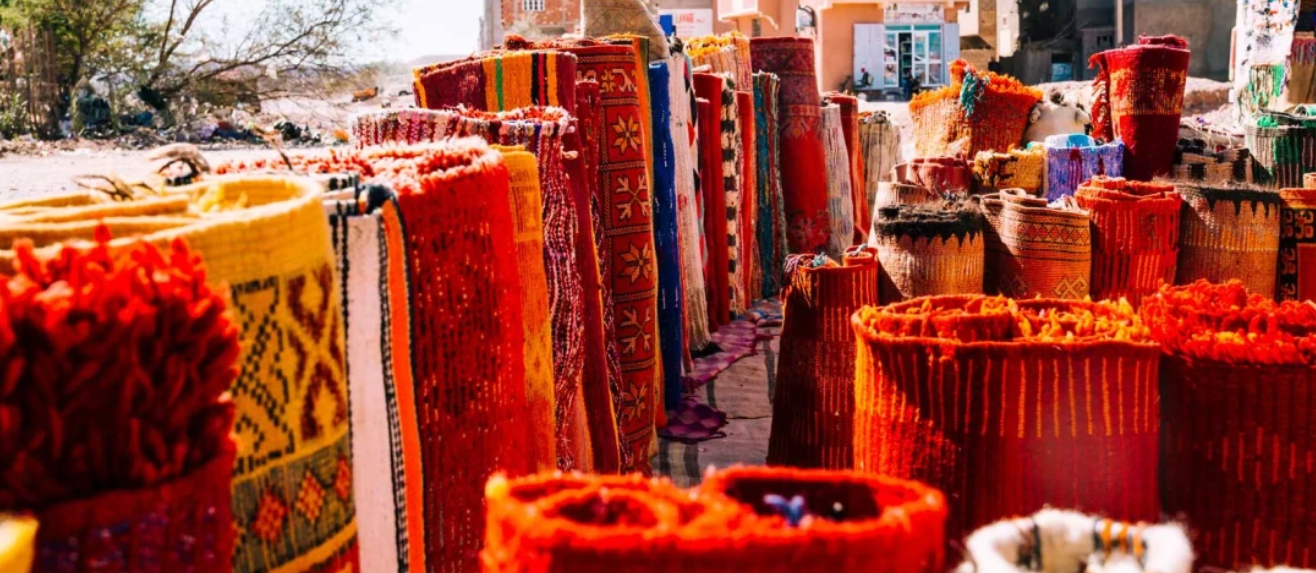
Traditional Turkish Carpet is one of the most important and impressive art forms of Turkish culture.
The tradition of craftsmanship that has lasted for centuries has not only added aesthetic value to these carpets but also imbued them with a deep history and cultural heritage.
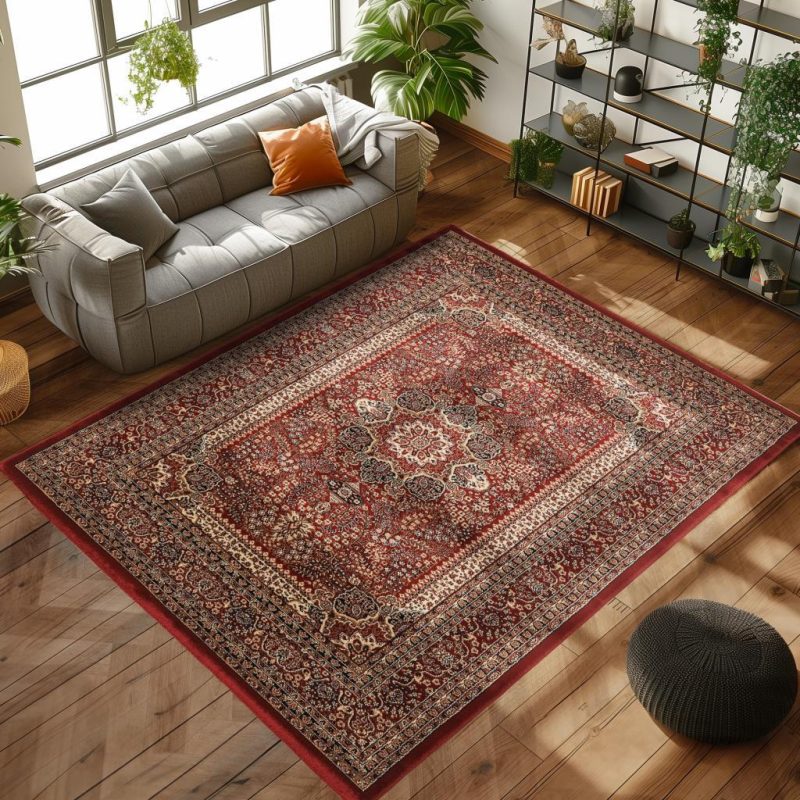
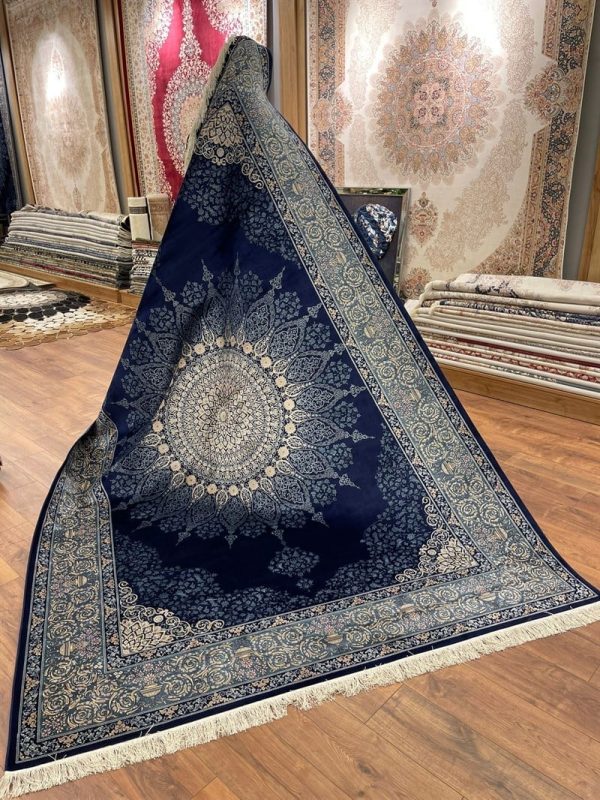
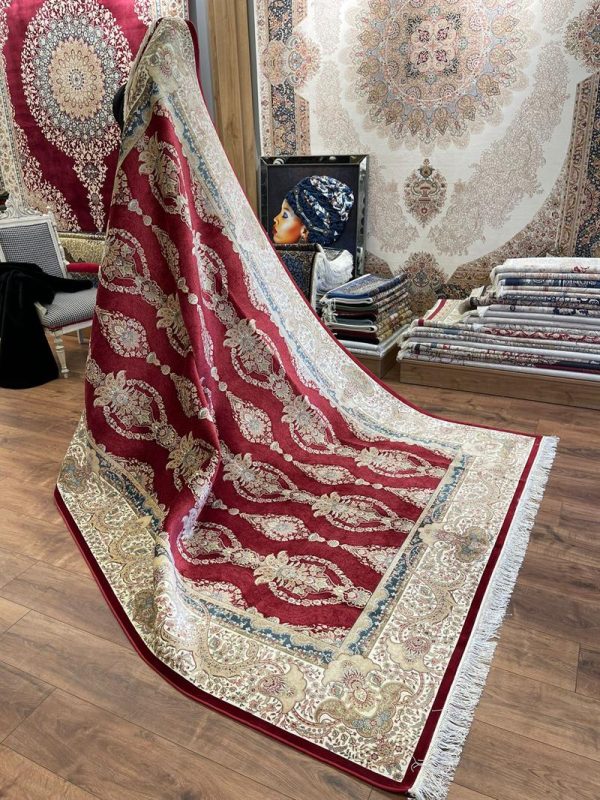
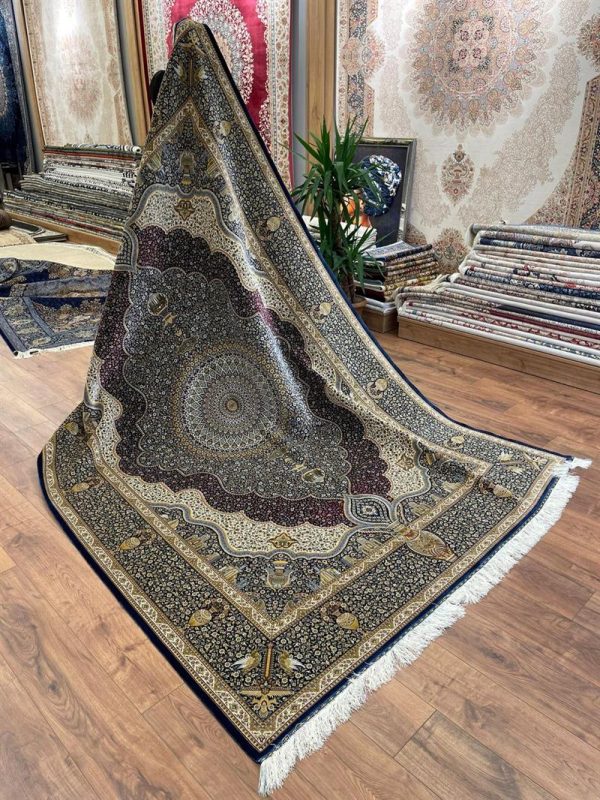
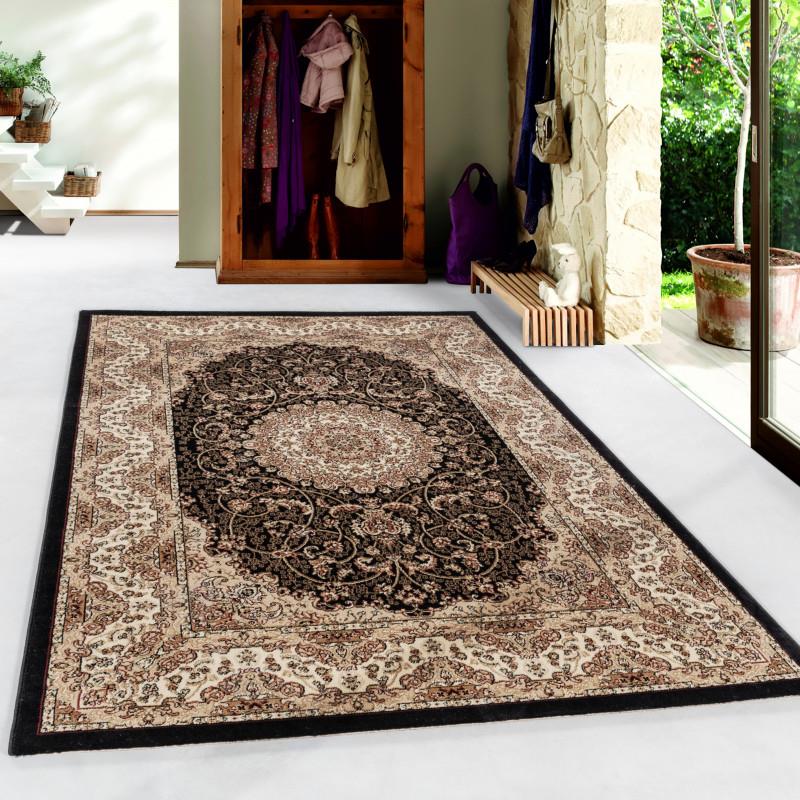
Turkish carpets are adorned with unique patterns, colors and textures, and each piece is almost a work of art.
Civilization came to the west from the east.
With the discovery of silk in the civilization that came with the Silk Road, the art of weaving came to the fore.
Therefore, the Turkish culture around the Silk Road has put its seal on this civilization.
There are epics among the elements that make states states. Every state has a culture, a story, a fairy tale.
The birth of our fairy tale has revealed motifs that weave civilization in the tales and epics of the nomadic culture.
This culture is the culture of the 5000-year-old Oghuz Ata. This culture will continue for another 5000 years.
In the motifs embroidered, we can observe the richness of Turkish culture, the breadth of its horizon and the maturation of civilization.
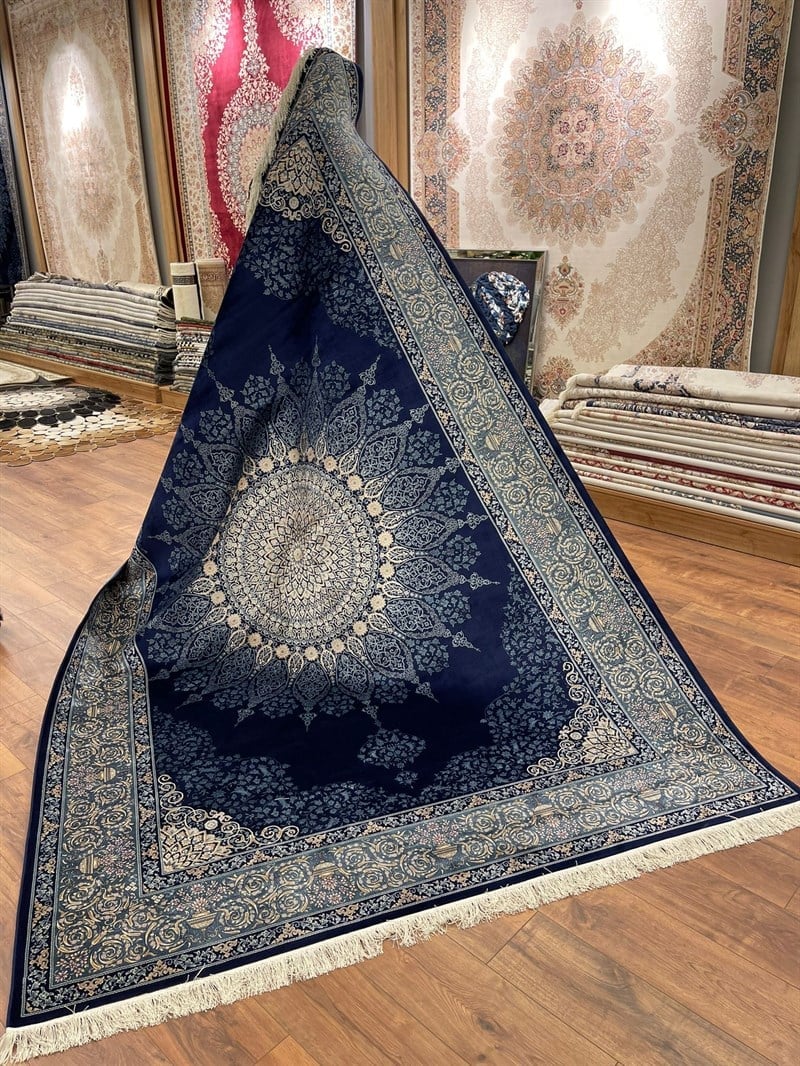
The roots of Turkish Carpets date back to Central Asia.
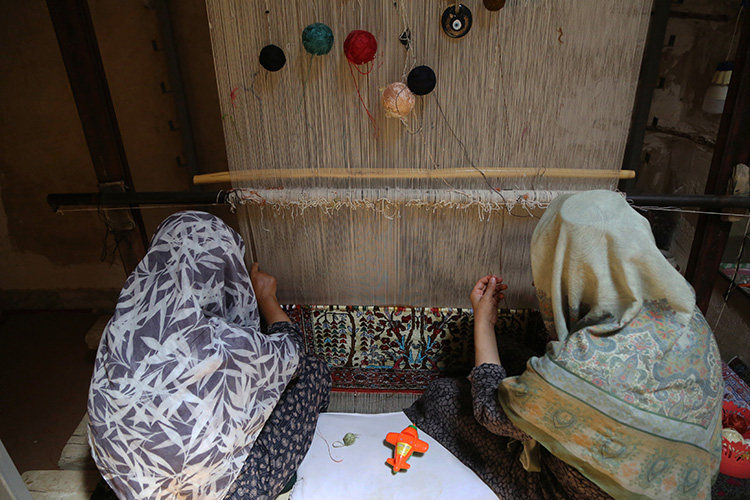
Nomadic Turkish communities have continued the tradition of carpet weaving for centuries and brought this art to Anatolia.
During the Seljuk and Ottoman periods, the art of carpet weaving reached its peak, and the carpets used in palaces and mosques reflected the richness and aesthetic understanding of this period. The unique motifs and weaving techniques of each region are among the elements that make Turkish carpets unique.
The patterns used in Turkish carpets are generally inspired by nature, mythology and daily life. Animal figures, geometric shapes, floral motifs and stylized human figures are common elements on carpets.
These motifs not only have aesthetic value but also contain deep meanings and symbols.
For example, some motifs symbolize abundance, while others symbolize protection and luck.
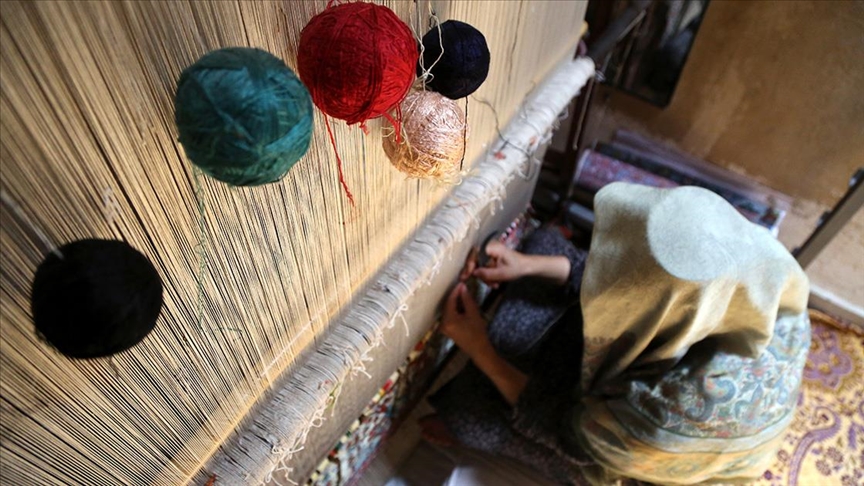
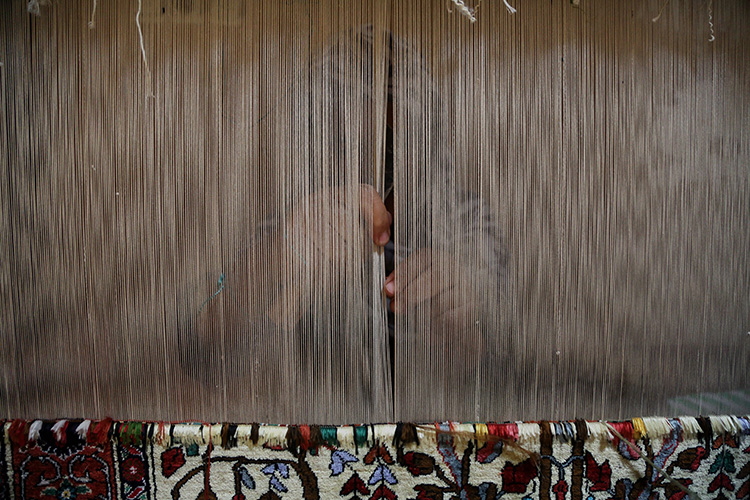
Traditional Turkish carpets are usually woven with natural materials such as wool, cotton and silk.
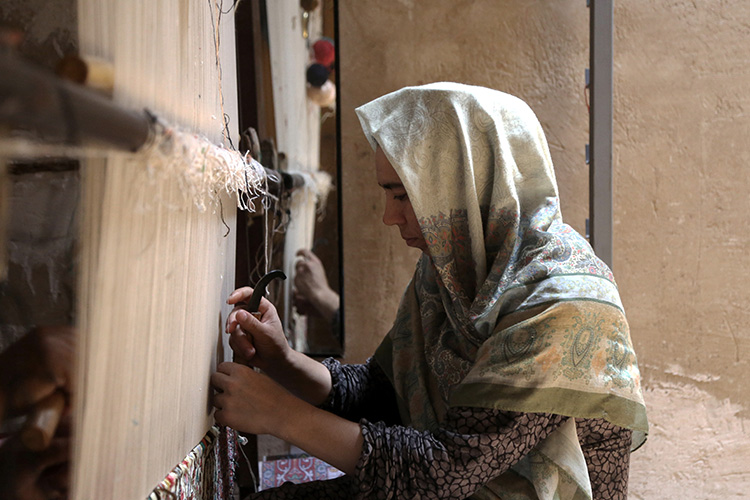
Wool is the most commonly used material due to its durability and ability to keep warm. Carpet weaving techniques include methods such as knotting, weaving and rug making.
These techniques determine the quality and durability of the carpet.
In addition, the dyeing process of carpets is also very important; The colors obtained by using natural dyes increase the aesthetics and originality of the carpet.

Turkish carpets are more than just decorative elements, they form an important part of Turkish culture and history.
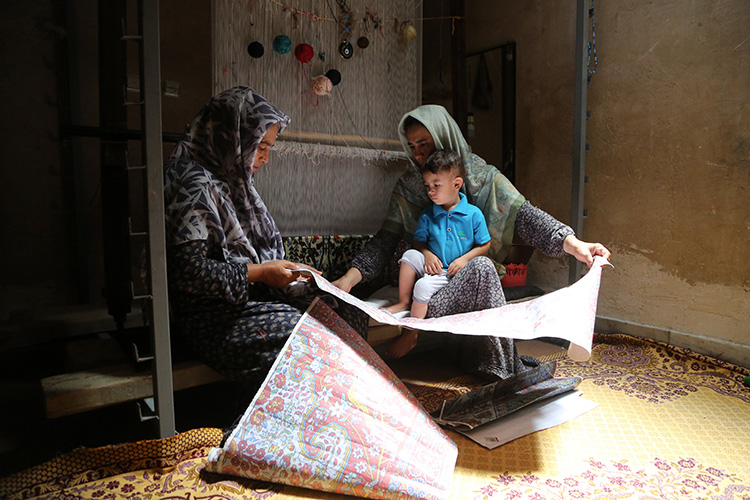
Carpets are frequently used at weddings, holidays and other special occasions and these traditions are passed down from generation to generation.
Carpets have become symbols that reflect the social and economic status of families. In addition, many artisans still keep this tradition alive today and pass it on to new generations.
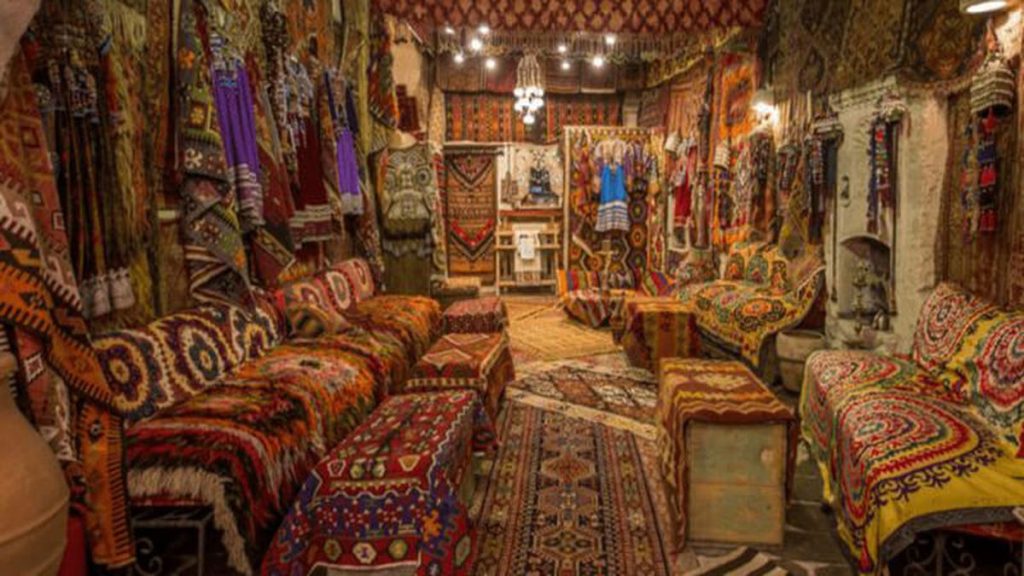
Traditional Turkish carpet is one of the most beautiful examples of Turkish art with its aesthetic value, deep meanings and rich history.
This art form, which changes and develops over time, functions as a bridge that connects both the past and the future. Turkish carpets are not only craft products, but also cultural heritage and works of art.
Therefore, the value of the Turkish carpet lies not only in its visuality but also in the stories and meanings it carries.
Every product you purchase with the Economia Bazaar guarantee has a history.
Economia Bazaar presents you the cultures of six empires that have existed throughout history, at the intersection of Asia and Europe, by assimilating their unique cultures and incorporating them into their art.


This article beautifully addresses the deep history and cultural significance of traditional Turkish carpets and rugs. It was particularly interesting to learn that each carpet’s unique patterns and colors reflect the cultural heritage of a specific region. The art of Turkish carpet weaving should be seen not just as a craft but as a way of life. The transfer of this art from generation to generation showcases the richness and continuity of Turkish culture. I believe that carpets carry an emotional and cultural connection beyond being mere decorative elements. This article serves as a great resource for anyone looking to better understand this magnificent art form.
The article effectively highlights both the aesthetic and functional aspects of traditional Turkish carpets. It’s important to note that carpets are not just floor coverings; they are storytellers. Each carpet, woven with care and love, carries the cultural elements of the geography it originates from. Especially, the meanings and uses of the traditional motifs mentioned in the article allow readers to feel the depth of this art. Additionally, the emphasis on the international standing and importance of Turkish carpets is noteworthy. It’s essential to remember that such works hold value not only locally but globally. This article provides an inspiring starting point for those eager to explore Turkish carpet art.