
The History of Traditional Turkish Cuisine: Richness and Diversity

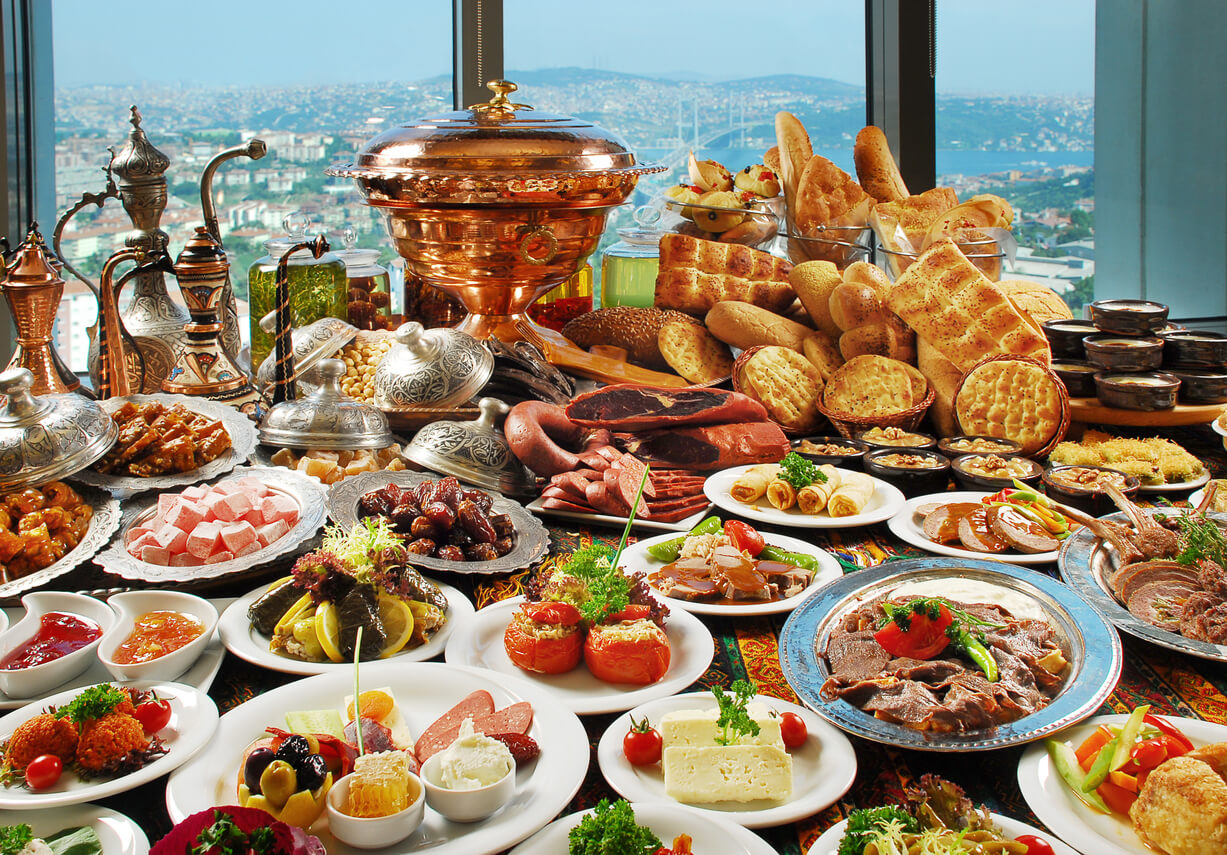
Turkish cuisine offers a rich and varied world of flavors, shaped by the influence of different cultures, geographies, and traditions throughout history. This cuisine is not just about recipes; it is also a cultural heritage, a form of social interaction, and a way of life. The roots of Turkish cuisine lie in a long journey from Central Asia to Anatolia. In this article, we will explore the history, characteristics, and values of Turkish cuisine in a sincere and engaging manner.
The foundations of Turkish cuisine are based on the traditions of the Turks who lived a nomadic lifestyle in Central Asia. During this period, meat and dairy products were the main components of the diet. The Turks engaged in animal husbandry, processing not only meat but also milk to produce foods such as yogurt, cheese, and ayran. This tradition continued when they migrated to Anatolia and gradually evolved and diversified over time.
The Turks who settled in Anatolia interacted with different cultures in the region. The influence of civilizations such as the Byzantine, Seljuk, and Ottoman Empires has increased the diversity of Turkish cuisine. Especially during the Ottoman Empire, culinary culture underwent significant development. The palace kitchen brought together the cuisines of different ethnic groups and cultures, creating a unique range of flavors. The rich culinary culture of the Ottoman period forms the foundation of today’s Turkish cuisine.
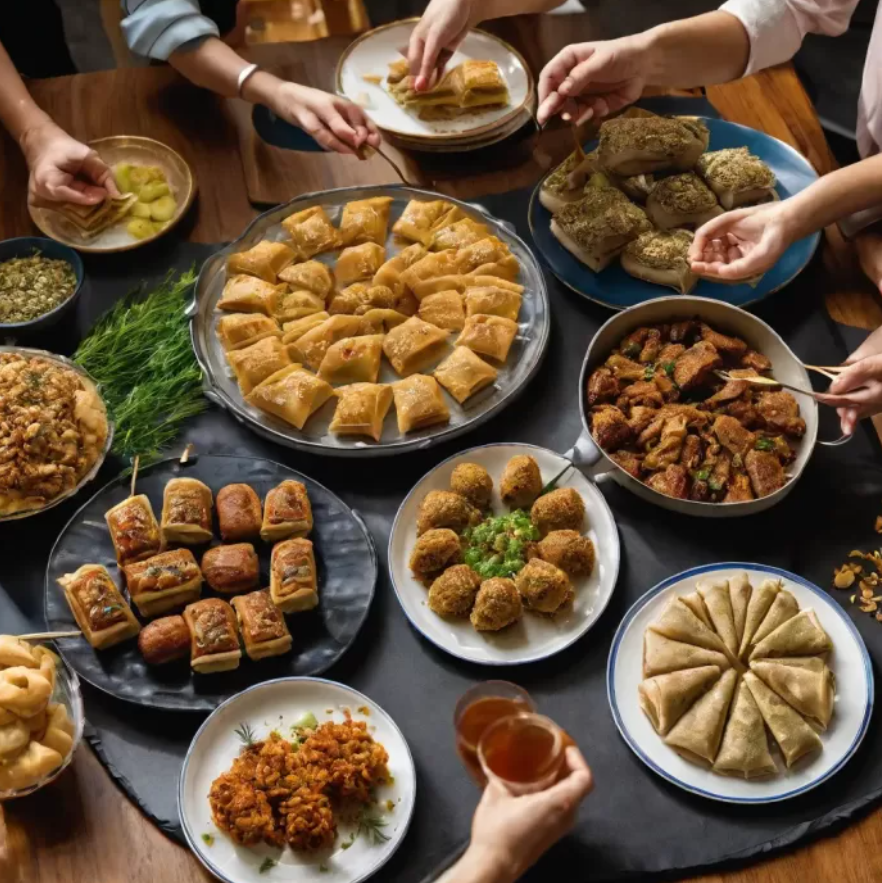
Turkish cuisine is a culture of hospitality and sharing. Tables offer an opportunity to gather with family members and friends. Guests are treated to the finest dishes, and this is an important part of Turkish culture. Meals are not only a means of satisfying hunger but also a tool for strengthening relationships and fostering friendships.
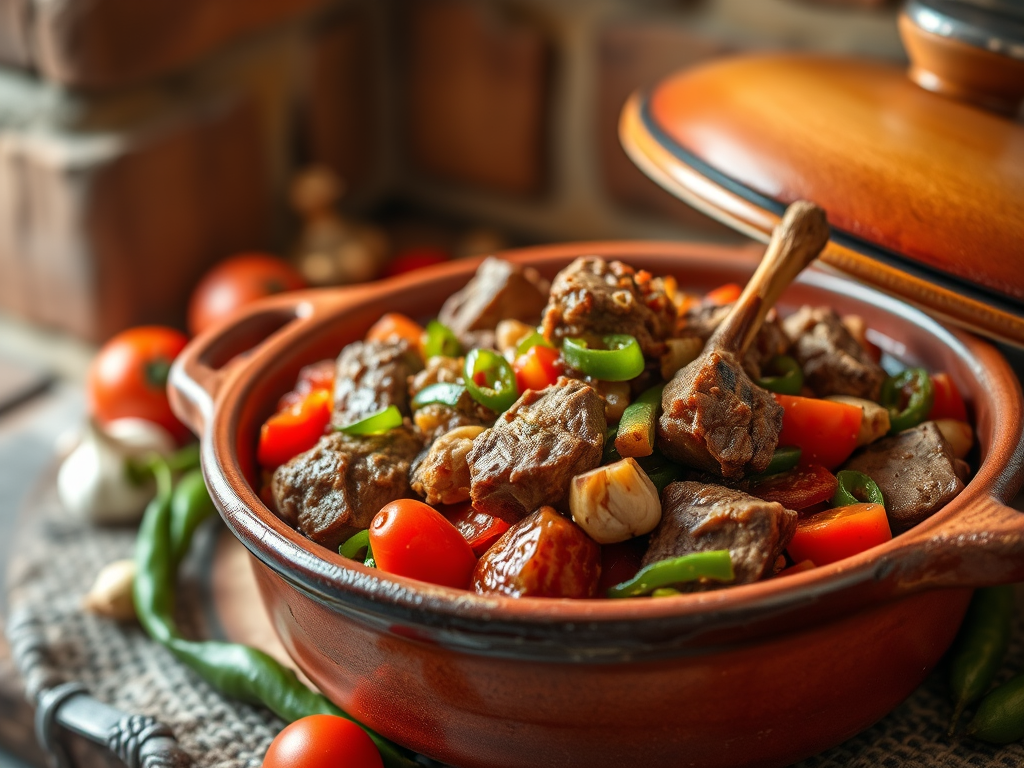
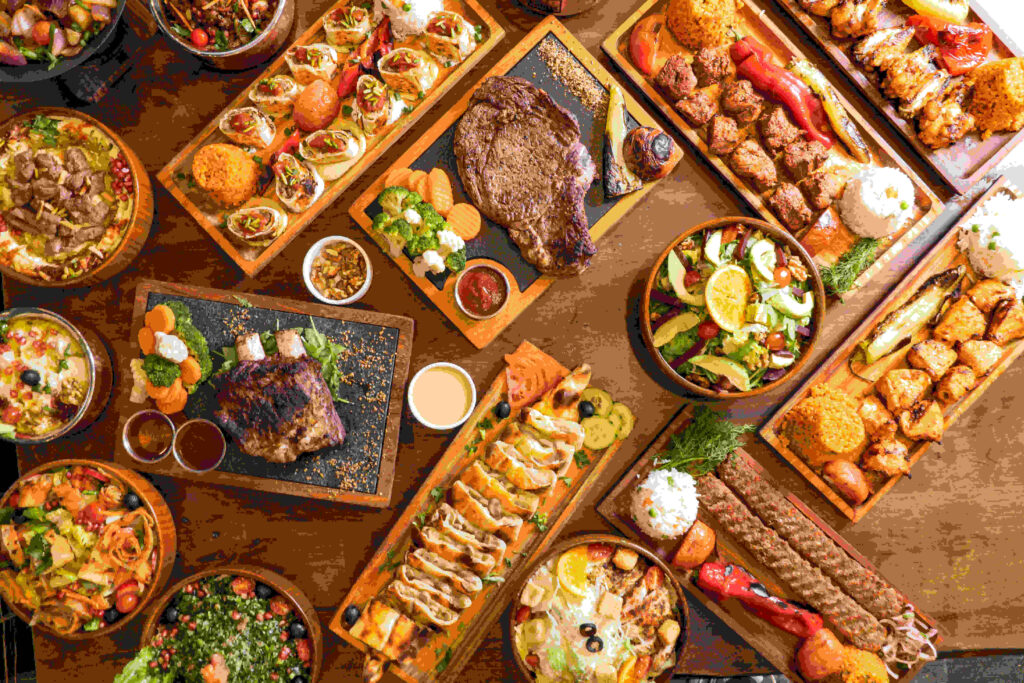
One of the most prominent features of Turkish cuisine is the diversity of materials. Vegetables, fruits, cereals and spices that grow all over Turkey form the basis of the kitchen. Olive oils, kebabs, stuffed, pastries and desserts, such as many different types of food, these materials are caused by the skillful combination. Each region has its own dishes and cooking techniques.
For example, in the Aegean Region, olive oil dishes come to the forefront, while Southeastern Anatolian cuisine is famous for its kebabs.
In Turkish cuisine, traditional food preparation and serving methods are preserved.
For example, many families still cook their meals in stone ovens or on stoves. This is a continuation of a well-established tradition. Furthermore, the beverages served alongside meals also carry cultural significance. Turkish tea, ayran, ottoman sherbet and coffee are indispensable components of meals and important elements that foster social interaction.
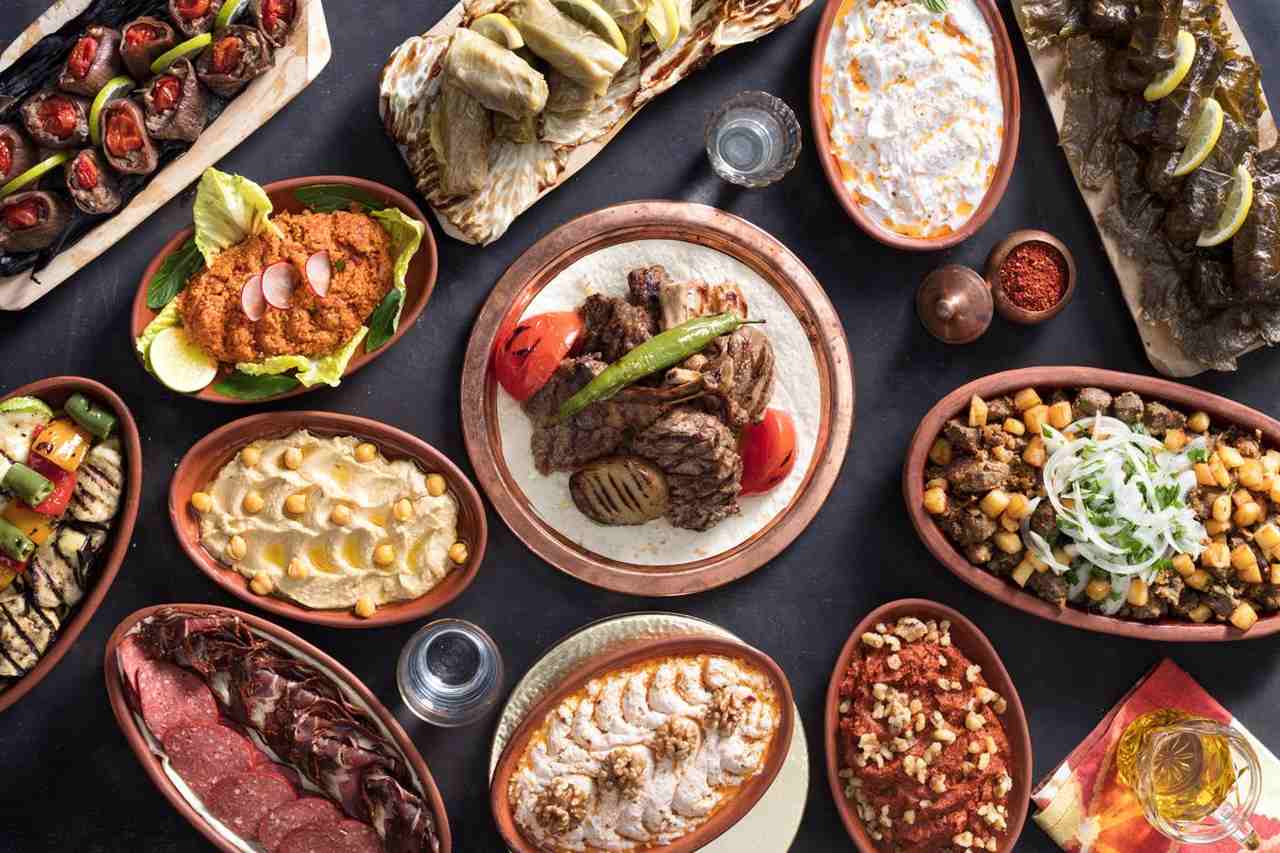
Today, Turkish cuisine is renowned not only within Turkiye but also worldwide. Restaurants offer a rich variety of Turkish cuisine, bringing together people from diverse cultures. Turkish dishes have captured the hearts of many with their flavors and presentations, becoming an important part of gastronomic tourism.
Turkish cuisine reflects the richness and influence of numerous cultural interactions throughout history. Traditional recipes, a diversity of ingredients, hospitality, and social interaction are the core values of Turkish cuisine. Turkish cuisine is not just a culinary culture; it is also a way of life. It is crucial that this centuries–old tradition be preserved with the same dedication and passed on to new generations. Turkish cuisine embodies history, culture, and love in every bite.
Indispensable Flavors of Turkish Cuisine: 5 Unique Dishes You Must Try.
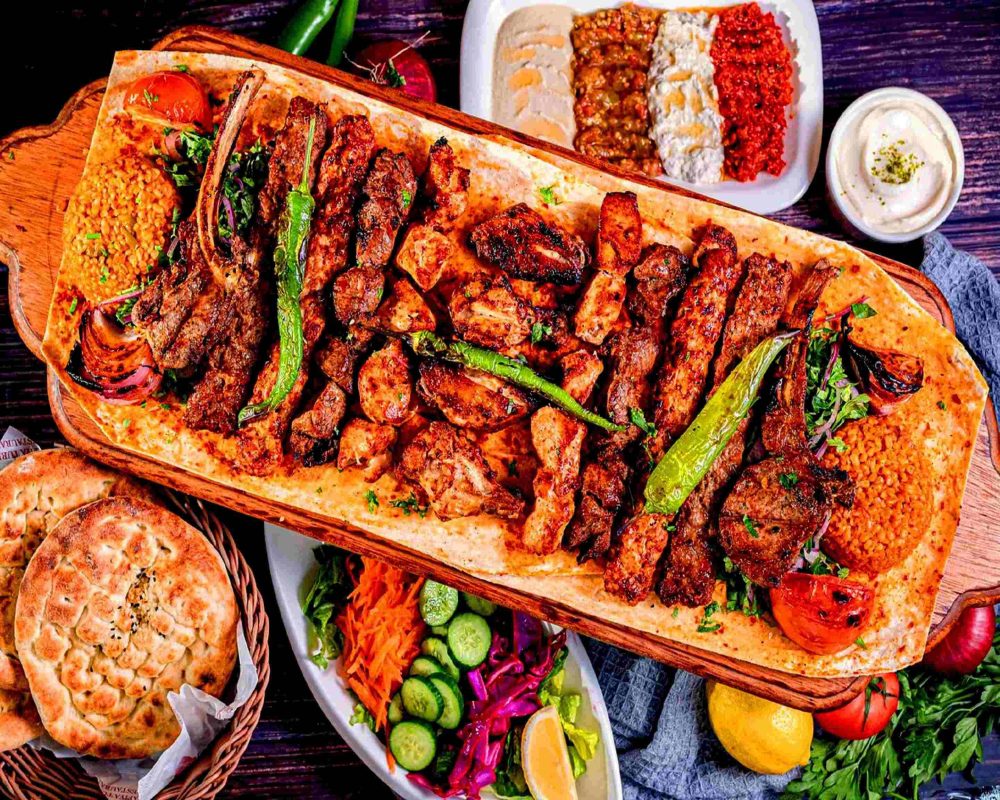
1- Kebab is one of the most iconic dishes of Turkish cuisine, usually made with lamb or beef. The meat is marinated in special spices and skewered onto a skewer, grilled on a barbecue or over a wood fire.
Adana kebab is a ground meat kebab enriched with hot peppers and spices unique to Adana.
Urfa kebab, on the other hand, is less spicy and has a milder flavor.
Kebab is usually served with lavash bread, onions, and tomatoes, and is consumed with yogurt or ayran.
Doner Kebab: This dish, usually served with sandwiches or rice, is prepared by grilling spicy meat on a vertical skewer.
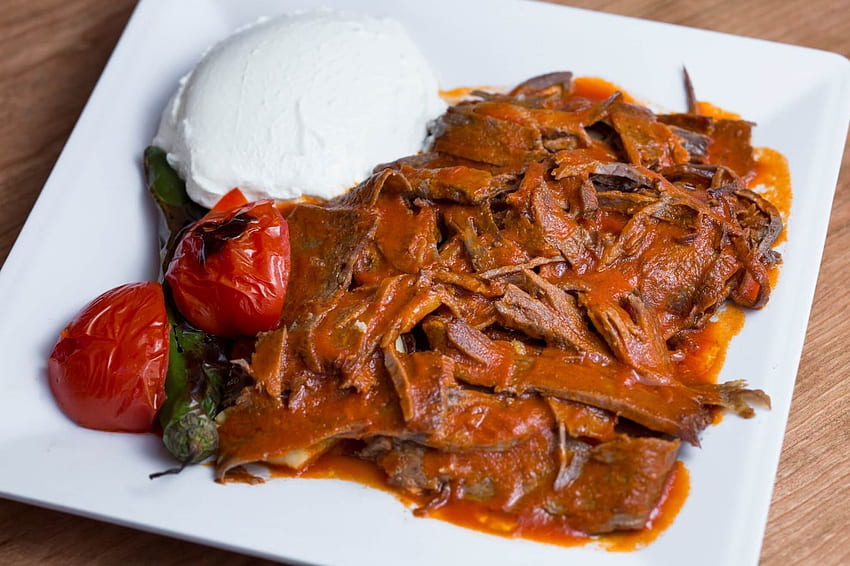
Iskender Kebab: A regional döner kebab served on pita bread with yogurt, tomato sauce, and butter.
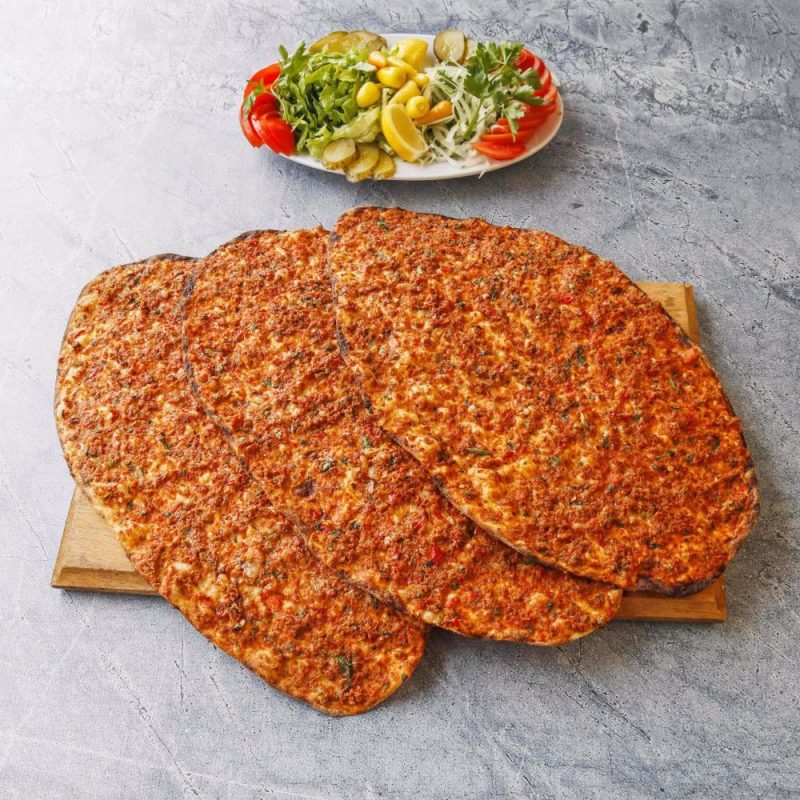
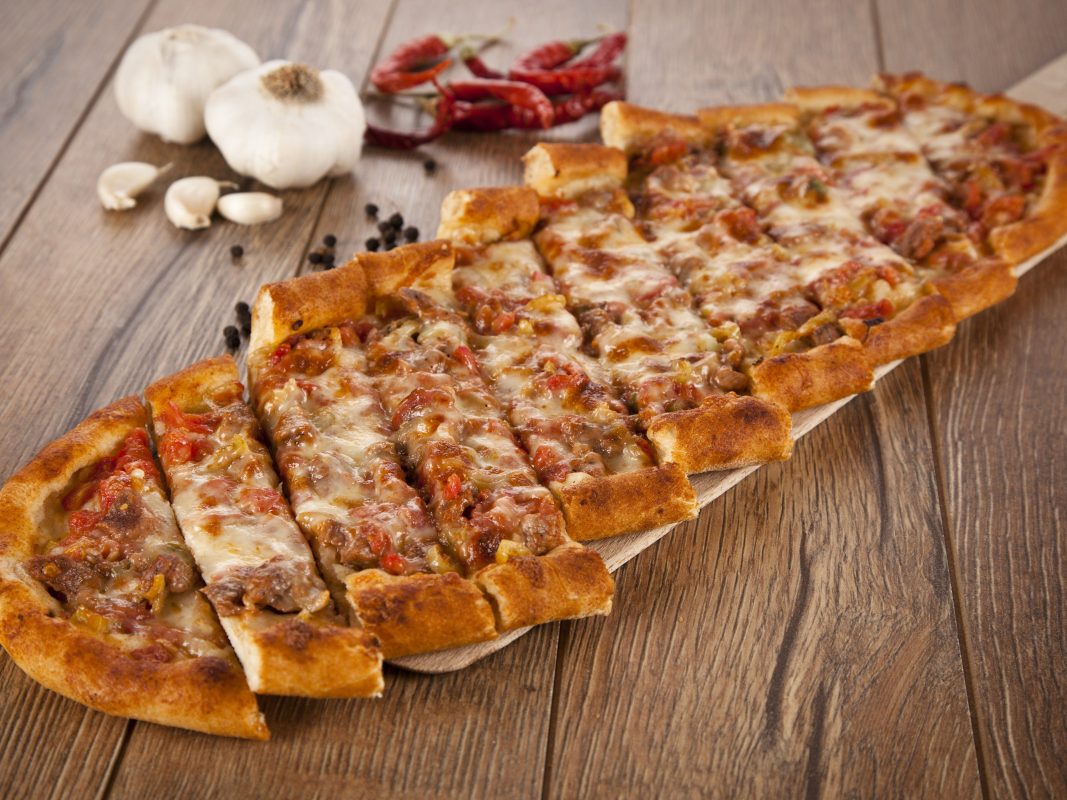
2-Turkish Types Pizza (Pide & Lahmacun) is a cherished delicacy in Turkish cuisine, often described as a type of flatbread topped with a mixture of minced meat, vegetables, and spices, typically baked in an oven. It is particularly popular in the southeastern regions of Turkey but is enjoyed throughout the country.
Beyond being just a dish, pide and lahmacun represents a social dining experience. It is often shared among friends and family, adding to its charm and significance. Additionally, it holds an important place among street foods and is featured on the menus of many restaurants.
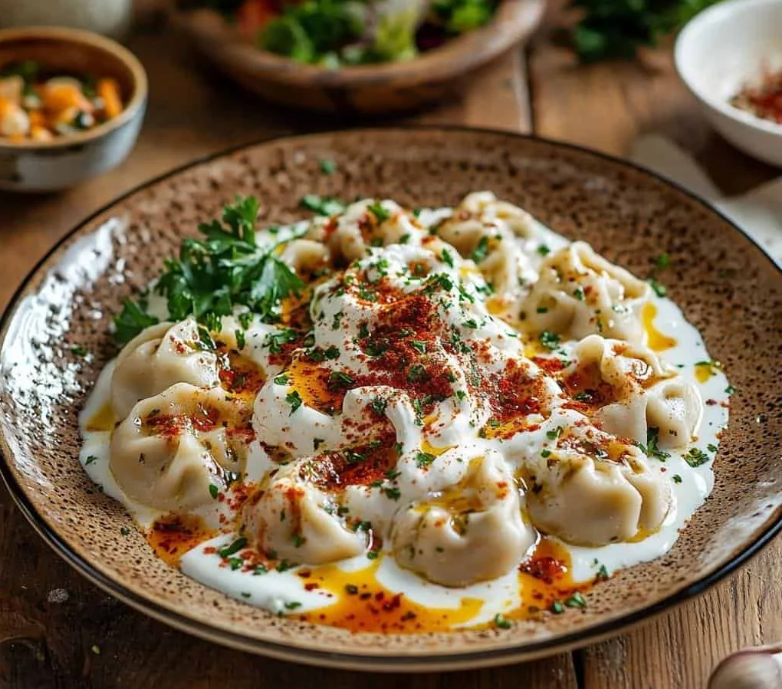
3-Turkish Dumplings (Manti) is one of the most popular pastries in Turkish cuisine. Small pieces of dough are closed by placing a mixture of minced meat, onions and spices. It is usually boiled in boiling water and served with garlic yogurt and red pepper flakes fried in butter. Kayseri ravioli is famous for its thin dough and plenty of minced meat. Ravioli is preferred both as a main course and as a snack.
4-Turkish Breakfast (indispensable feast) is a meal known around the world for its rich variety and flavor. Ideal for an energetic start to the day, Turkish breakfast is not only nutritious but also a social experience. Breakfast shared with family and friends is an important part of Turkish culture.
A few examples of the indispensable Turkish breakfast:
Sausage egg (Sucuklu yumurta) is a breakfast option made by frying sliced sausages in a pan and cooked by breaking eggs on top. It is delicious and filling.
Menemen is a dish that is prepared with eggs, tomatoes, peppers, and spices, usually served hot. It is one of the indispensables of Turkish breakfast.
A bagel (simit) is a crisp ringed bread coated in sesame seeds. It is often consumed for breakfast with tea and is popular among street delicacies.
Pastry (Börek) is a delicacy made by wrapping ingredients such as cheese, minced meat or spinach between thin layers of phyllo dough, and cooked in the oven or in a pan. It is often preferred for breakfast.
French fries (patates kızartması) are a snack made by frying sliced potatoes in oil. They are often served as a side dish at breakfast.
5-Turkish Tea, Turkish Coffee and the National Beverage Ayran: Symbols of Hospitality
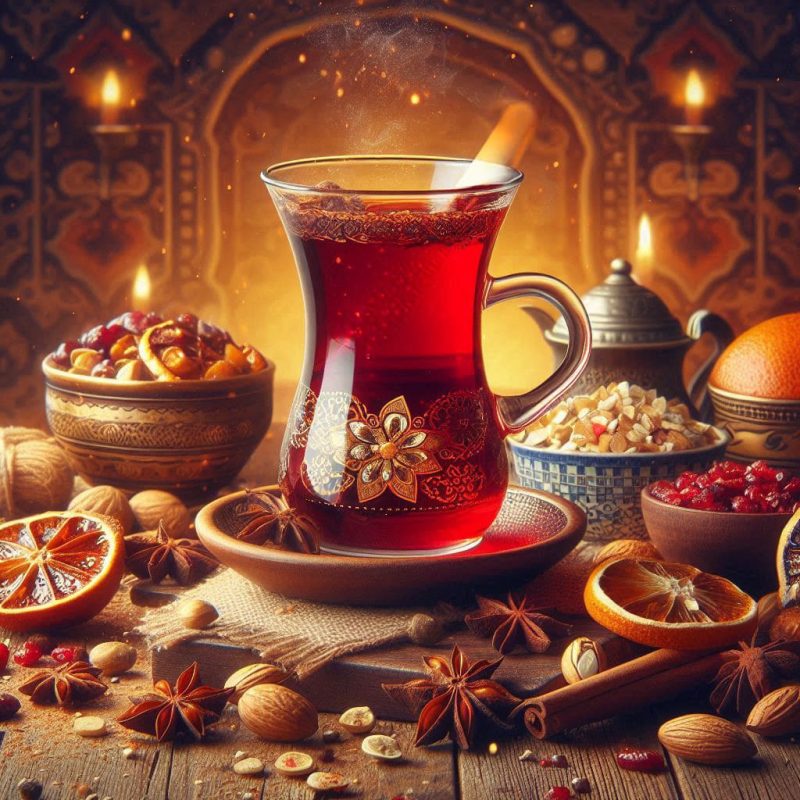
Turkish Tea is one of the most beloved beverages in Turkey. Typically served in slender, tulip-shaped tea glasses, this tea is prepared by steeping black tea leaves. Turkish tea has a rich and aromatic flavor, making it a popular choice during breakfast and in social settings. It symbolizes hospitality and is an essential part of conversations and gatherings.
Turkish coffee is a traditional beverage made by boiling finely ground coffee beans with water in a cezve (a small pot). Known for its strong and frothy texture, Turkish coffee is usually served in small cups. It is often accompanied by a sweet treat. Additionally, there is a unique tradition associated with coffee drinking known as “fortune telling,” where the grounds left in the cup are interpreted to predict the future.
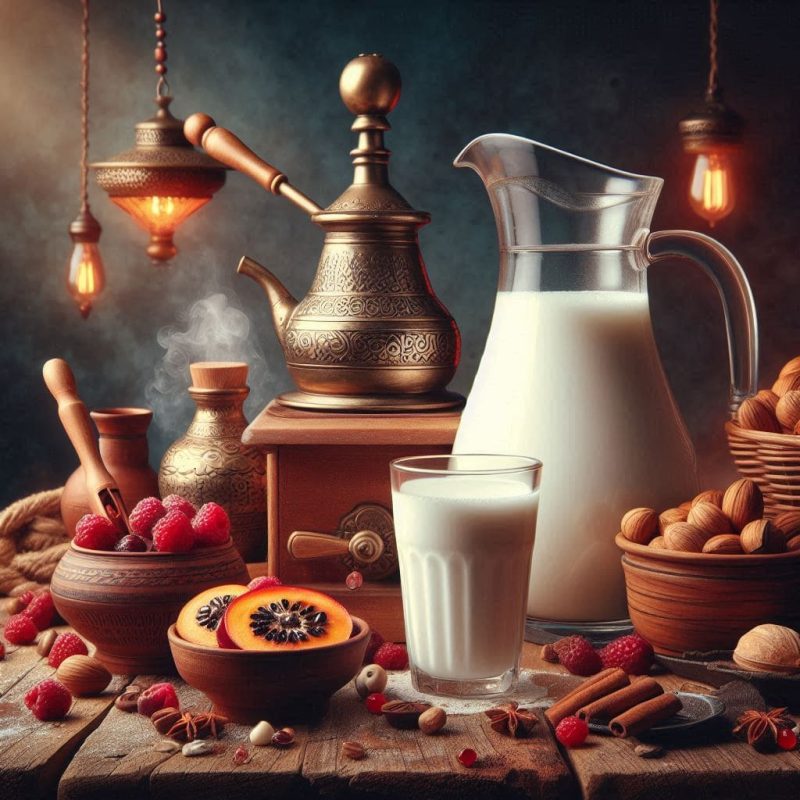
Ayran is a refreshing drink made by mixing yogurt, water, and salt. It is particularly favored during the summer months in Turkey and is commonly consumed with dishes such as kebabs and pide. Ayran is known for being a healthy and nutritious beverage, making it an integral part of Turkish cuisine. With its cooling and satisfying properties, it is a staple on Turkish tables.
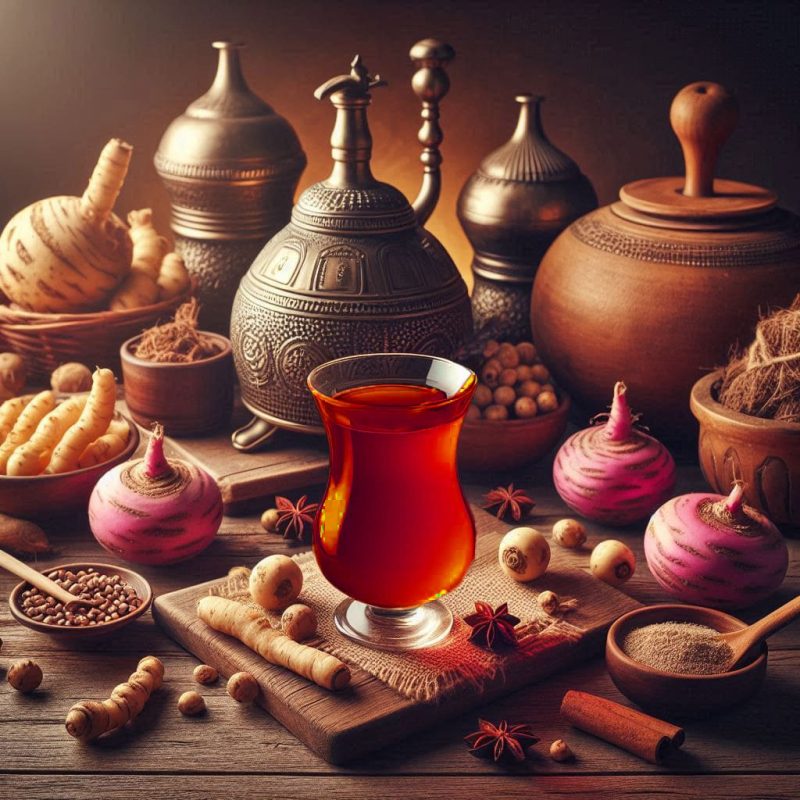
Şalgam is a popular beverage, particularly in the Adana region of Turkey. Made from fermented carrot and turnip juice, this drink is typically served alongside kebabs. It has a distinct sour and salty flavor that enhances the dining experience.
Boza is a traditional drink consumed mainly during the winter months. It is prepared through a fermentation process using bulgur, water, and sugar. Often garnished with cinnamon or nuts, boza has a thick and nourishing consistency, making it a comforting choice in colder weather.
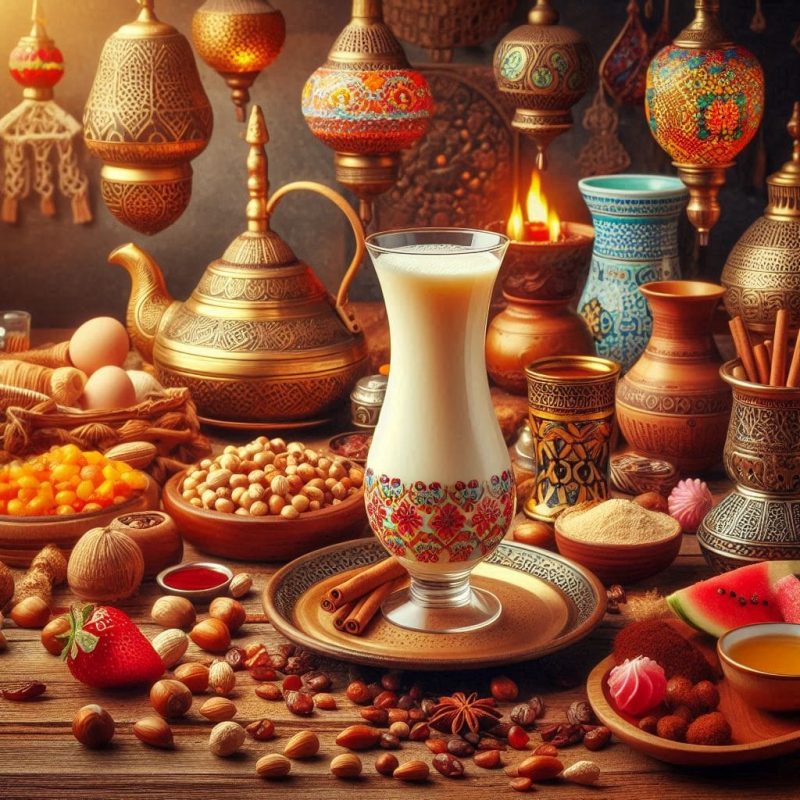
Sahlep is a warm beverage made by mixing powdered orchid tubers with hot milk. It is especially popular in winter and is usually served with a sprinkle of cinnamon on top. Sahlep offers a creamy texture and is cherished for its warming properties.
These beverages are significant elements of Turkish cuisine, reflecting its richness and diversity. Each drink provides a unique taste and cultural experience, showcasing the traditions associated with Turkish gastronomy.
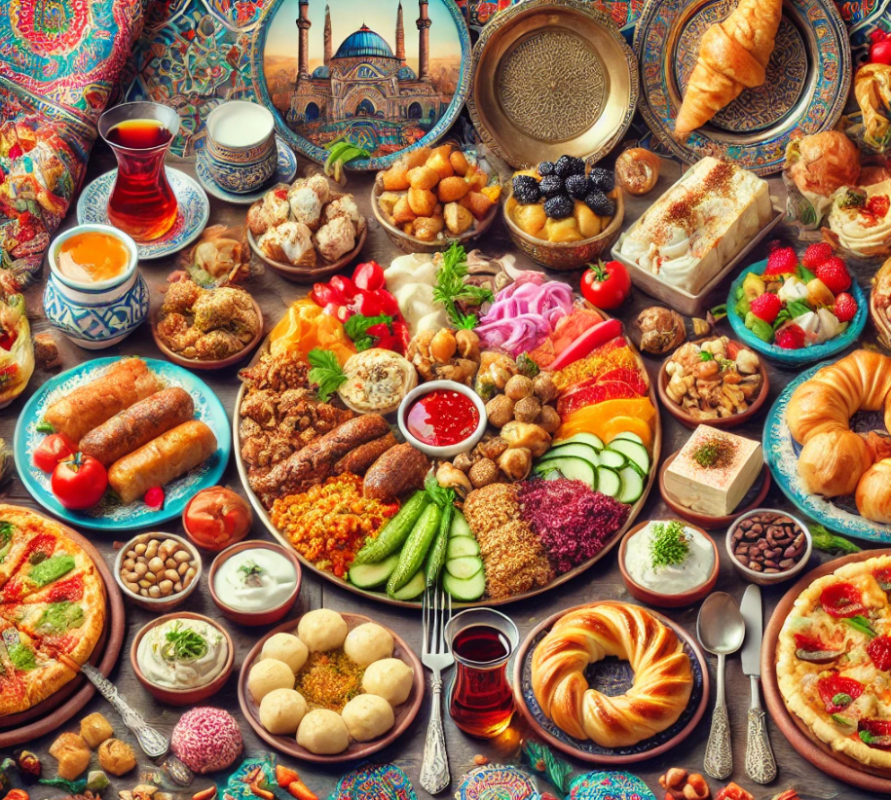




After reading this article about Turkish cuisine, I am truly impressed! As someone who has experienced various culinary cultures across Europe, I am deeply affected by the richness and diversity of Turkish cuisine. The kebabs, mezes, and desserts mentioned in the article are exquisite flavors that appeal to my palate. Learning that each dish has its own story and cultural connection makes Turkish cuisine even more fascinating. Moreover, the presentation of the food and the tradition of sharing reflect the warmth of Turkish culture. Thanks to this article, my desire to explore and get to know Turkish cuisine more closely has increased. Congratulations on possessing such a wonderful gastronomic heritage!
Regards
هذه المقالة تصف غنى وتنوع المطبخ التركي بشكل جميل. خاصة الكباب والمقبلات، فهي تحمل الكثير من التشابه مع مطبخنا العربي. دائمًا ما كان من الممتع تجربة الأطباق التركية. في زيارتي القادمة، أود بالتأكيد تذوق المزيد من الأطعمة التركية!
Este artículo refleja maravillosamente la riqueza y diversidad de la cocina turca tradicional. La énfasis en los kebabs y los platos de aceite de oliva está particularmente bien destacada. Las ideas históricas que proporcionaste son bastante inspiradoras para los amantes de la comida como yo. ¡No puedo esperar para probar estos platos! ¡Gracias!