
The Ottoman Empires Historical and Artistic Heritage Istanbul: A Journey Through Time on the Historic Peninsula


The Ottoman Empire was a vast state with a long history stretching from the 14th to the 20th century. This empire attracted attention not only for its vast territory but also for its cultural richness. The Ottoman period left behind important works in many fields, from architecture to art, literature to music. So, what is the place of Ottoman history and art in today’s world? Let’s take a closer look at this topic.
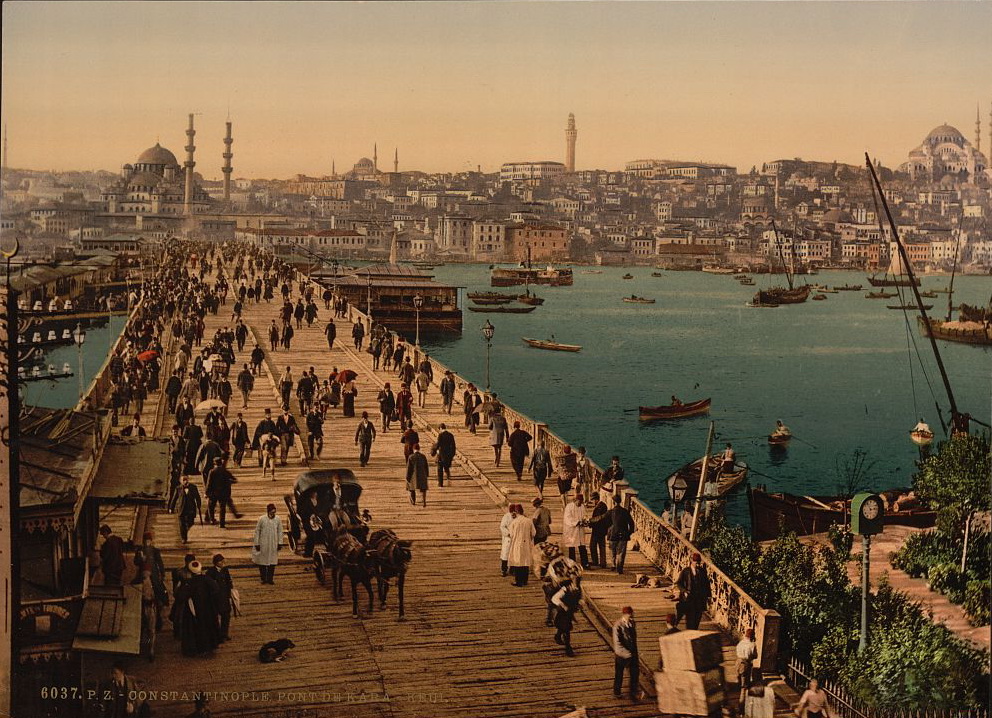
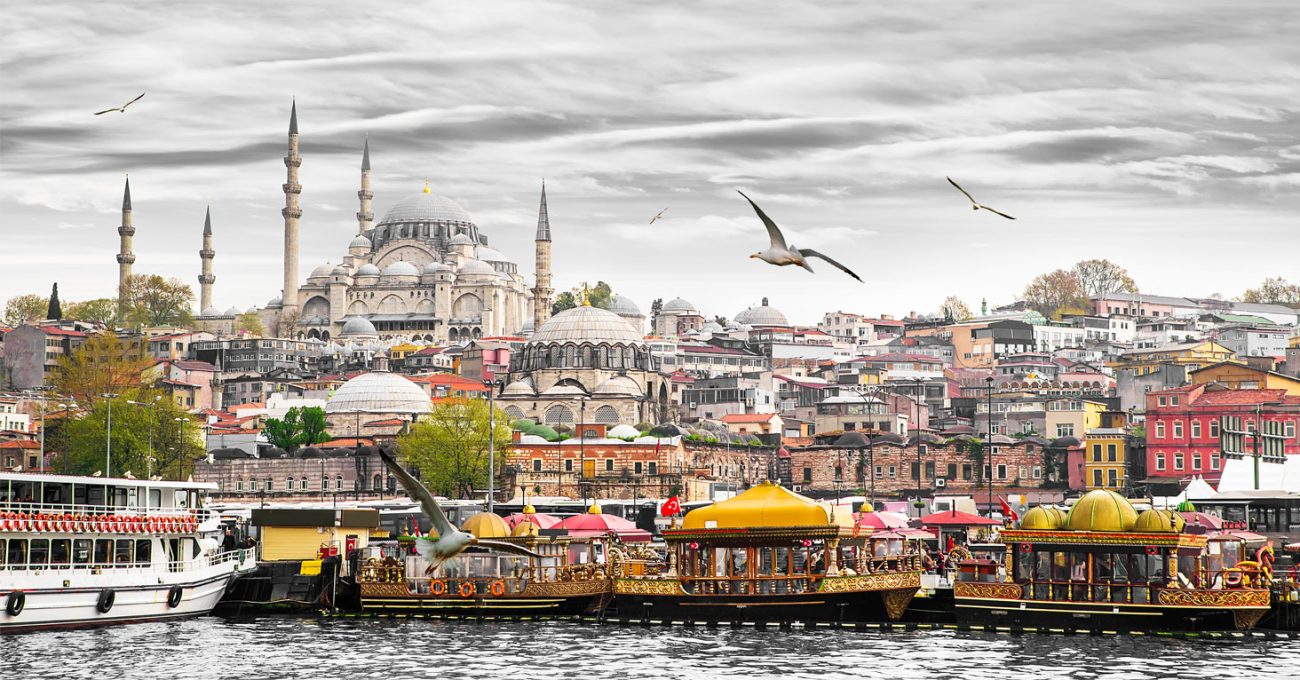
The Ottoman Empire ruled over a region where different cultures, religions, and traditions coexisted for 600 years. This diversity was also reflected in Ottoman art. Especially in the field of architecture, mosques, palaces, and bridges, known for the works of masters such as Mimar Sinan, are still admired today. Structures such as Topkapı Palace, Süleymaniye Mosque, and Selimiye Mosque are among the most beautiful examples of Ottoman architecture. These structures are not only historical works of art but also showcase the Ottoman understanding of art, aesthetic values, and engineering achievements.
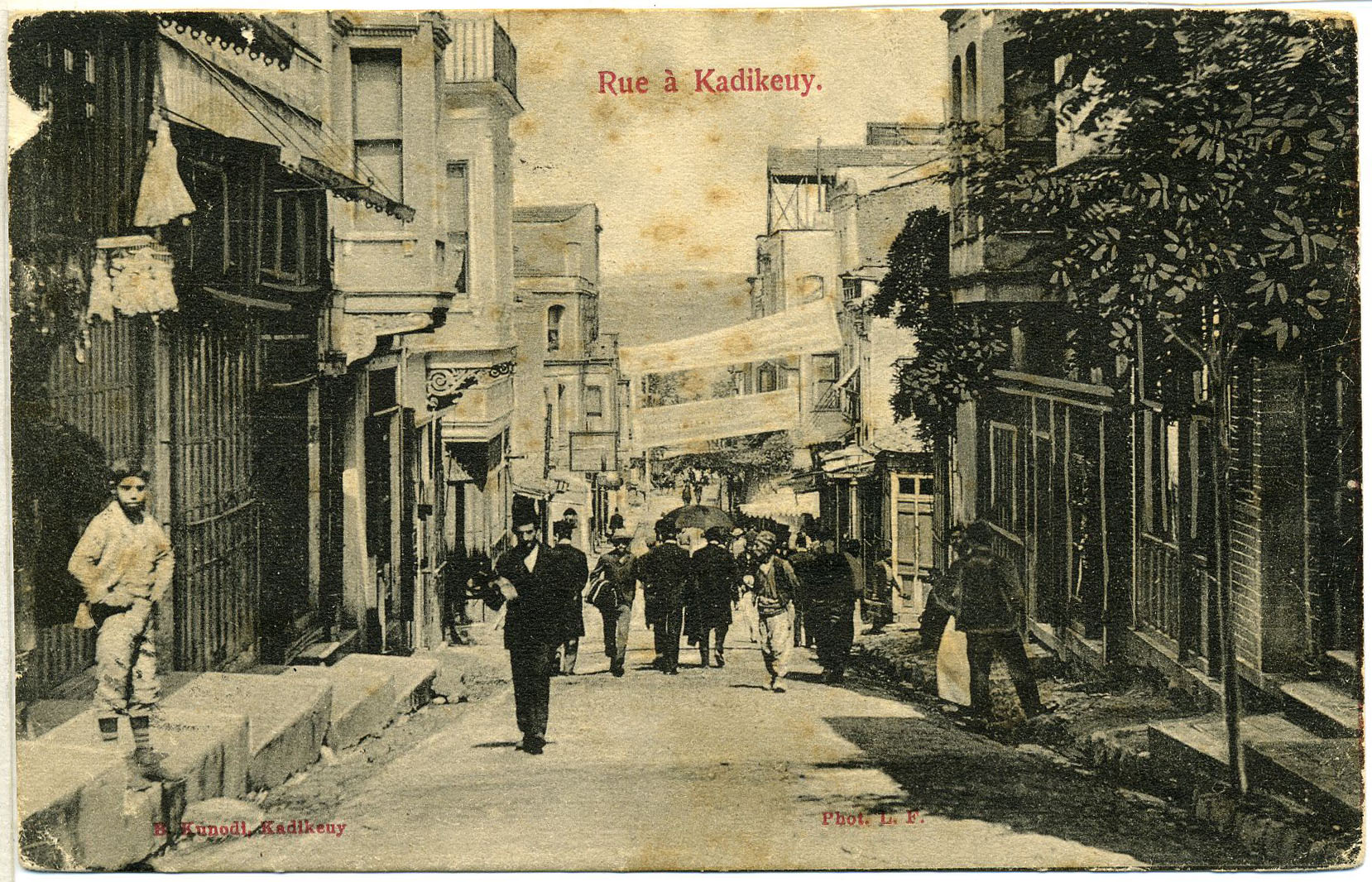
Today, Ottoman art is kept alive and appreciated in many areas. Elements such as handicrafts, traditional Turkish music, and miniature art carry traces of Ottoman culture. Traditional handicrafts, particularly wood carving, ceramics, and carpet weaving, are still practiced by master craftsmen.
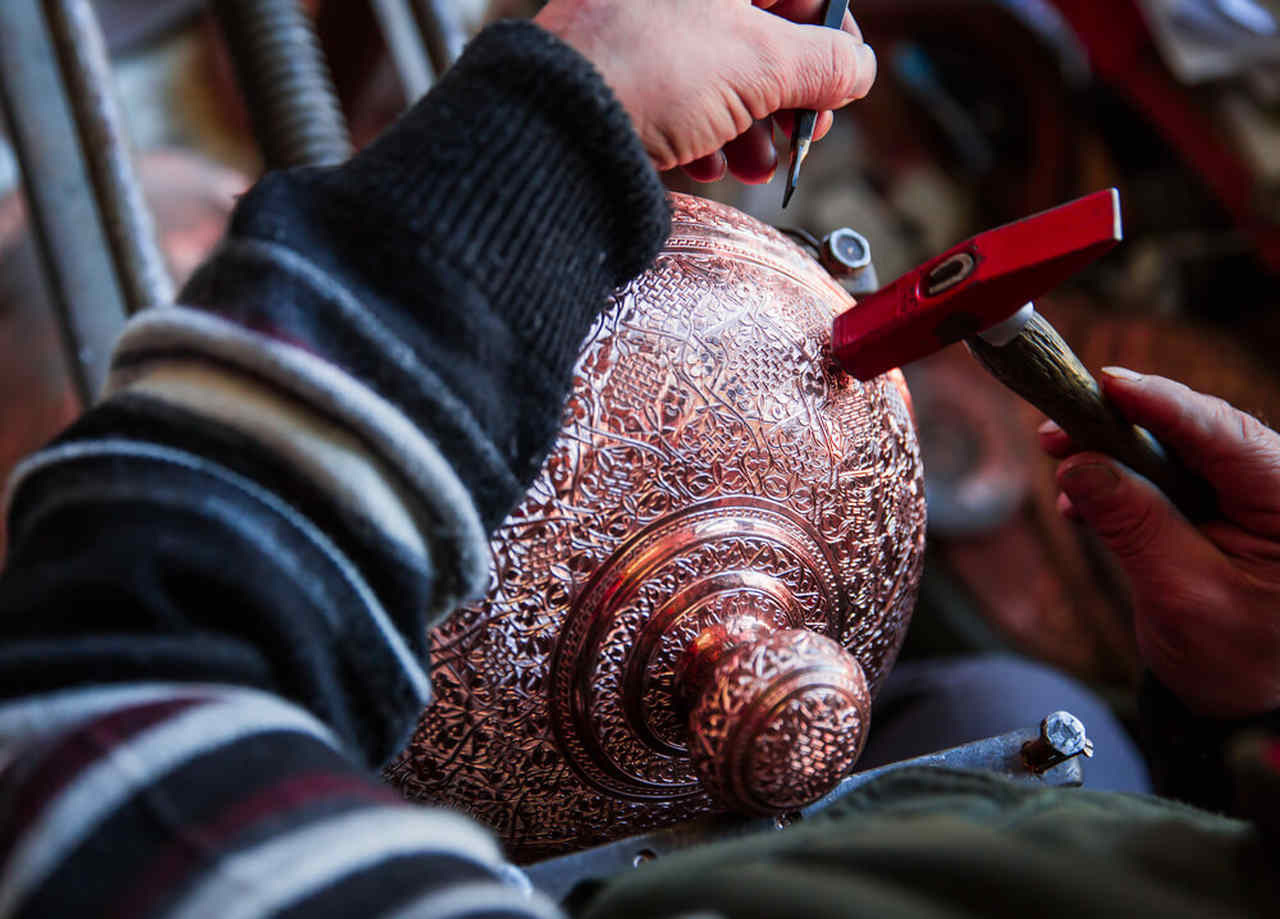
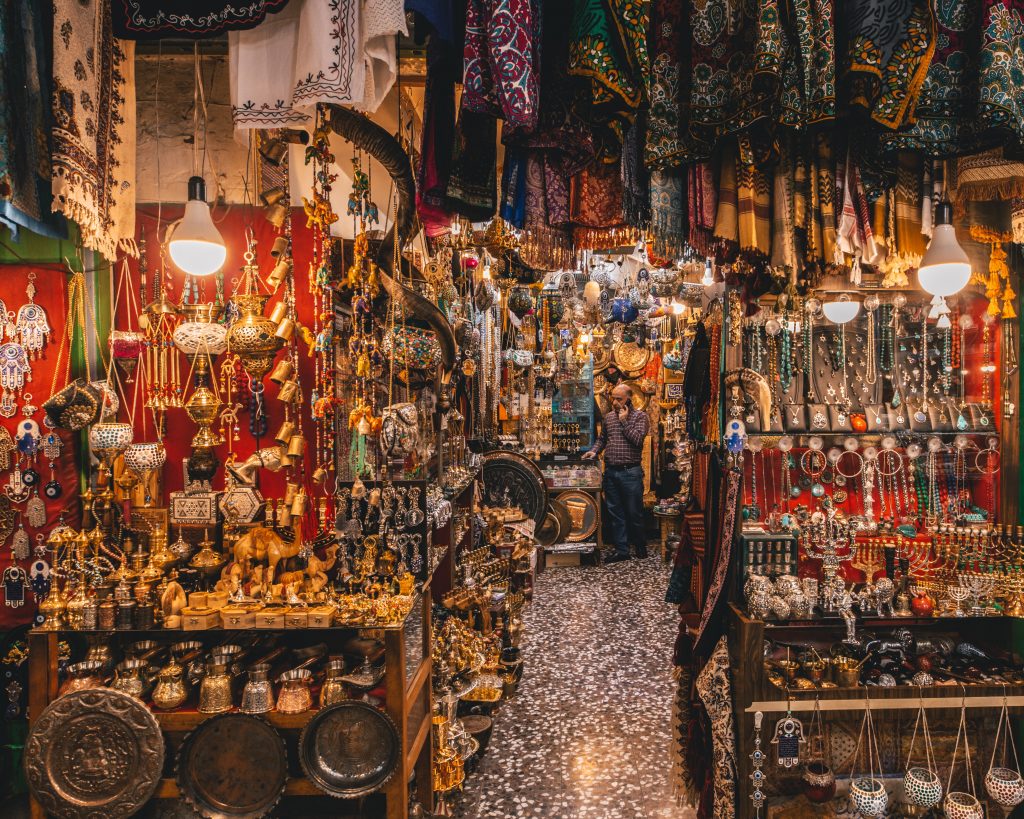
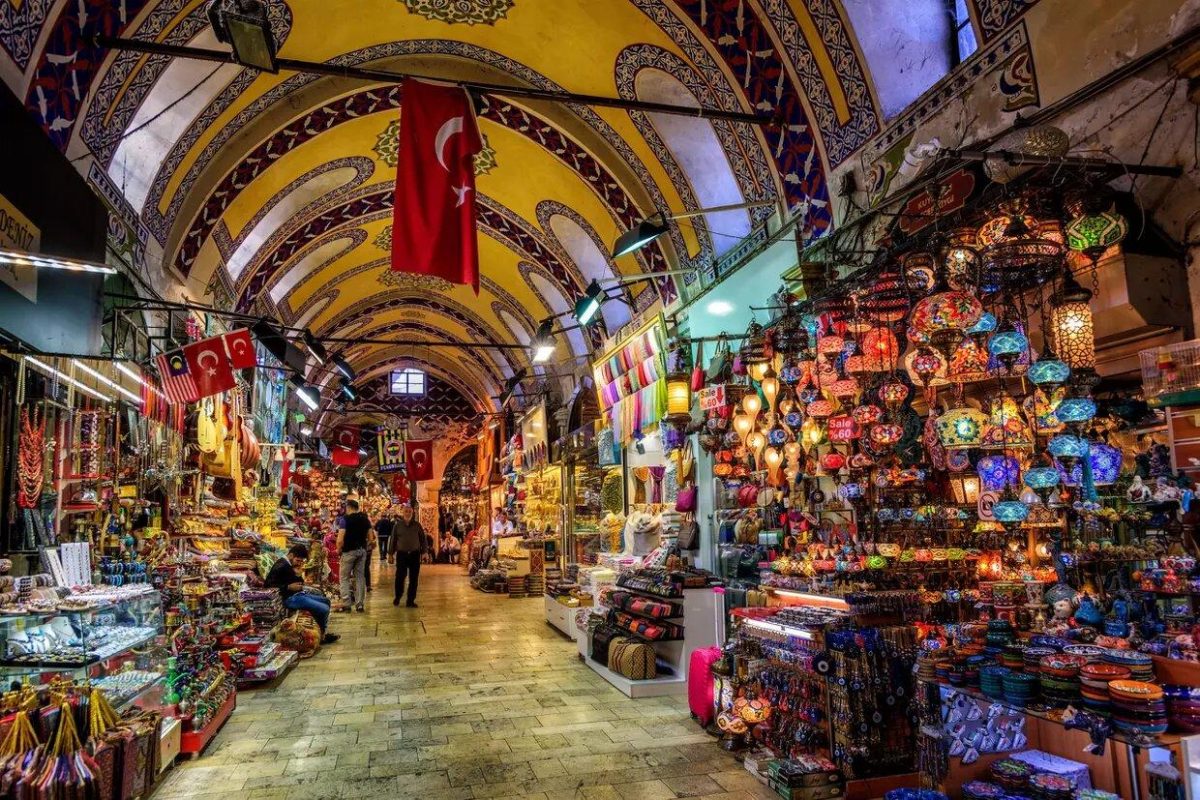
These handicrafts attract the interest of both local and foreign tourists. Historical markets such as the Grand Bazaar and the Spice Bazaar are among the places where Ottoman–era handicrafts are displayed and sold.
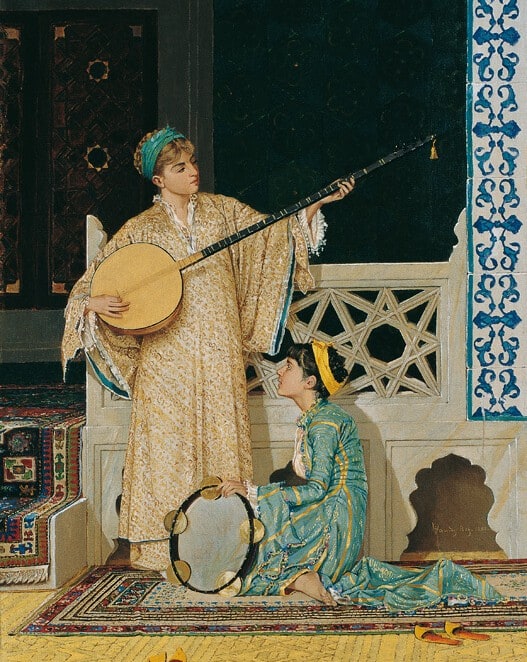
Ottoman music also holds an important place today. Turkish art music and Turkish folk music continue to carry the melodies and rhythms of the Ottoman period. Traditional musical instruments, especially the oud, ney, and kanun, are indispensable components of this music. Additionally, works from the Ottoman period are being blended with modern music to create new interpretations. This allows younger generations to discover Ottoman music and keep this rich cultural heritage alive.
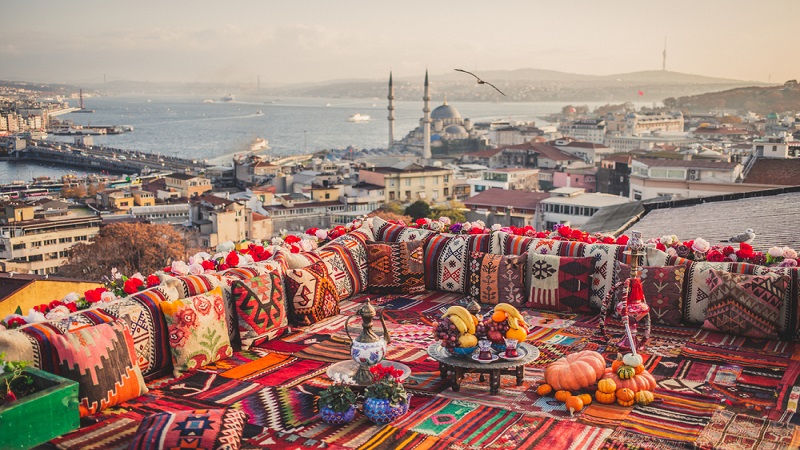
Ottoman art and history are also used as sources of inspiration by modern artists. Today, many artists combine the traditional with the modern by using Ottoman motifs and patterns in their contemporary designs. This serves as both a tribute to the past and a means of ensuring the continuity of cultural heritage. For example, Ottoman patterns are frequently used in textile design, while traditional motifs are often preferred in furniture design.
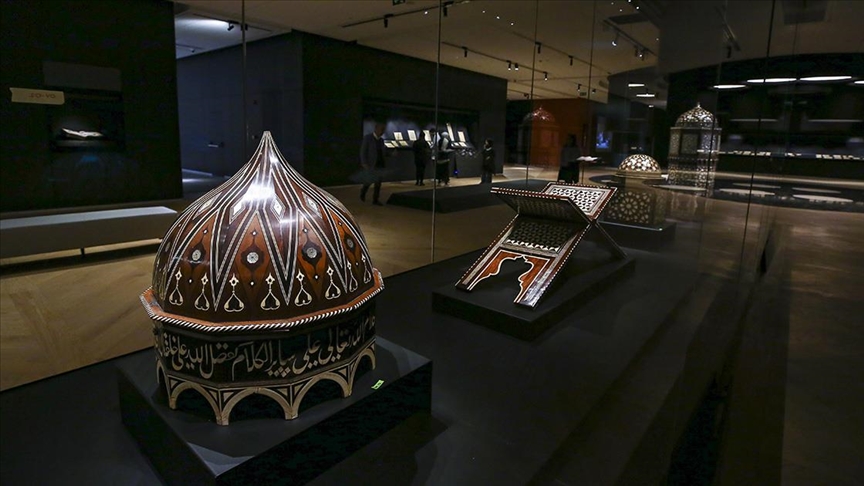
In addition, Ottoman history and art occupy an important place in educational institutions. Universities offer courses on Ottoman history, art history, and cultural heritage. This ensures that younger generations become familiar with and understand this rich past. Museums also continue to preserve this cultural heritage by exhibiting works from the Ottoman period. Places such as the Topkapı Palace Museum and the Museum of Turkish and Islamic Arts in Istanbul house the most important examples of Ottoman art and history.
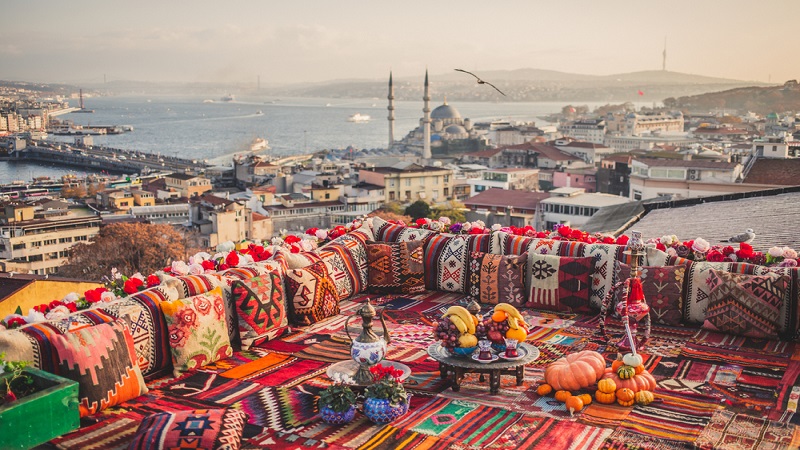
Hagia Sophia Mosque
Istanbul’s historic peninsula is an art map bearing traces of both the Byzantine and Ottoman Empires. If you ever find yourself in Istanbul to see these rare works of art, you can start your tour with Hagia Sophia. Built as the largest church of the Byzantine era, the Hagia Sophia captivates art lovers with its stunning mosaics, magnificent dome, and impressive architecture. This structure, which was converted into a mosque during the Ottoman period, also features Ottoman calligraphy and minbars that are worth seeing.
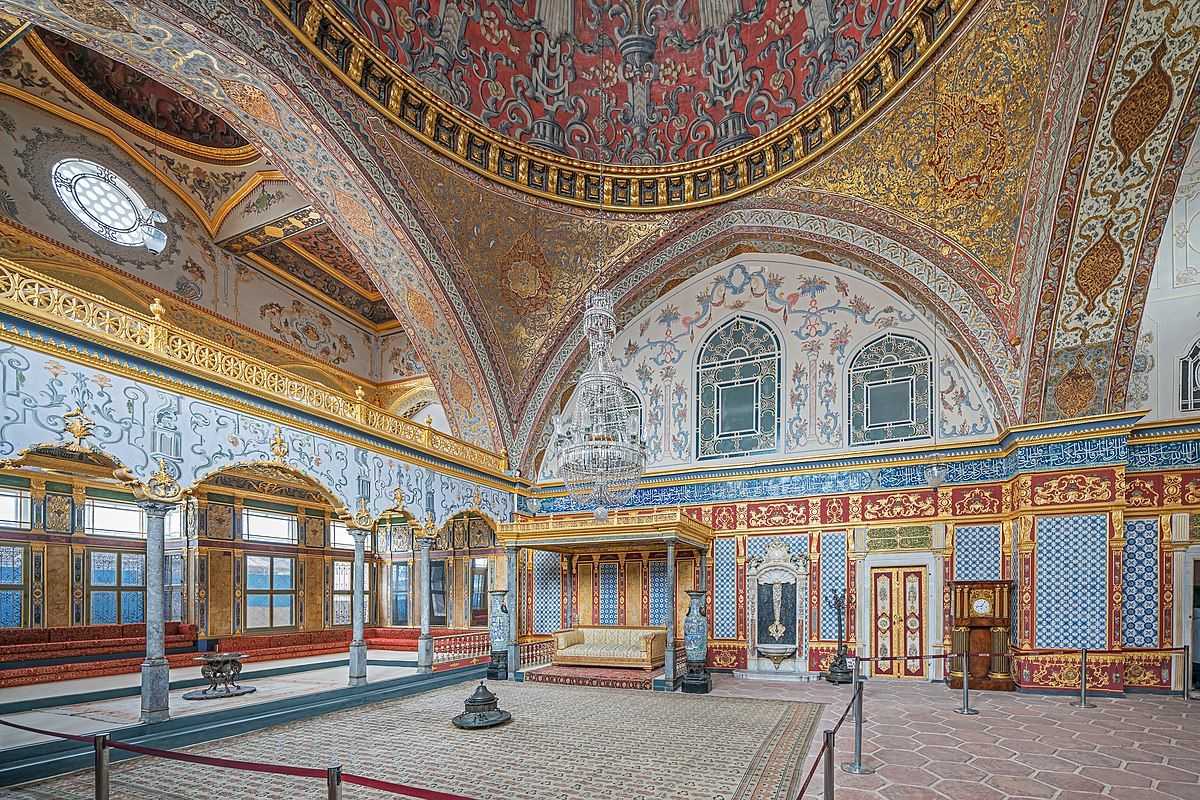
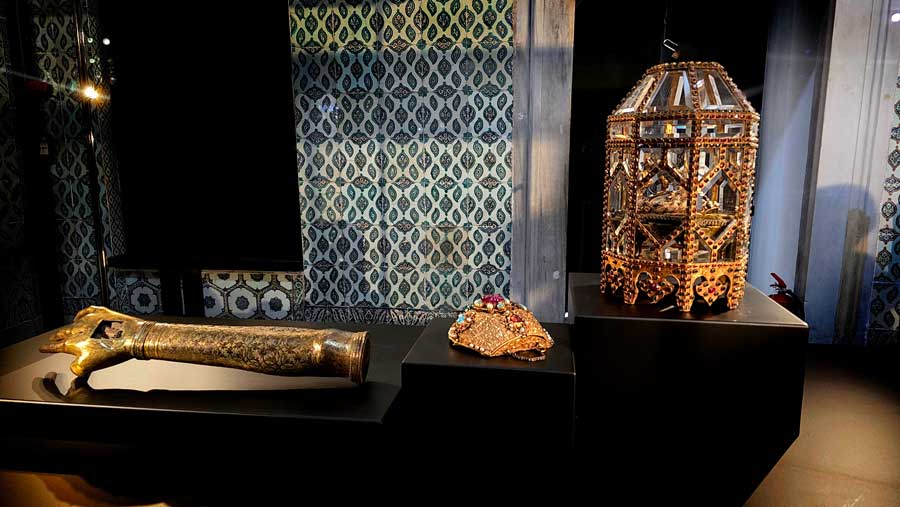
The next stop should be Topkapı Palace. The magnificent palace of the Ottoman Empire has become a museum housing all kinds of art. The manuscripts, rare books, Ottoman–era jewelry, and porcelain inside the palace offer a rich art collection. The wall decorations and frescoes in the Harem section of the palace are also noteworthy.
Ottoman history and art not only carry the traces of the past but are also kept alive today. Through architectural works, handicrafts, music, and modern designs, this cultural heritage retains its value both locally and internationally. Exploring the rich history and art of the Ottoman Empire is a responsibility we all share. Understanding these values from the past and passing them on to future generations is a cultural wealth that remains with us.
Topkapı Palace Museum artifacts and Istanbul



After reading this article, my admiration for the historical and artistic heritage of the Ottoman Empire has grown even stronger! The rich history and architectural structures of Istanbul are truly captivating. The mosques, palaces, and other historical buildings mentioned in the article are impressive not only visually but also in terms of their profound historical significance. The intricacies of Ottoman art and cultural diversity further highlight how special this city is. It is crucial that the article emphasizes the historical fabric of Istanbul and the need to preserve this heritage. You have created a truly remarkable piece, and I thank you for helping me gain a better understanding of this invaluable legacy!
Many thanks